Beethoven’s Heartfelt Letter to His Immortal Beloved
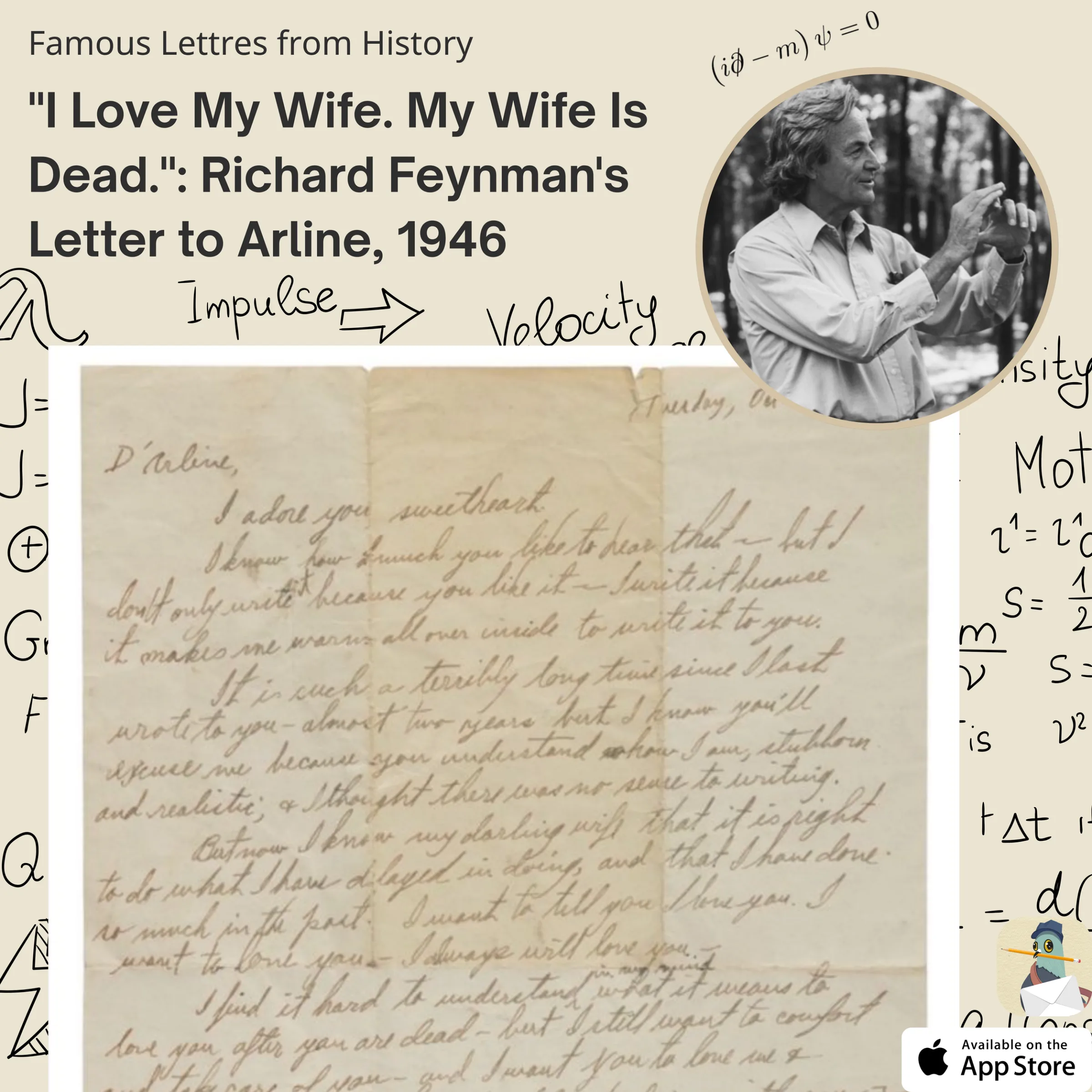
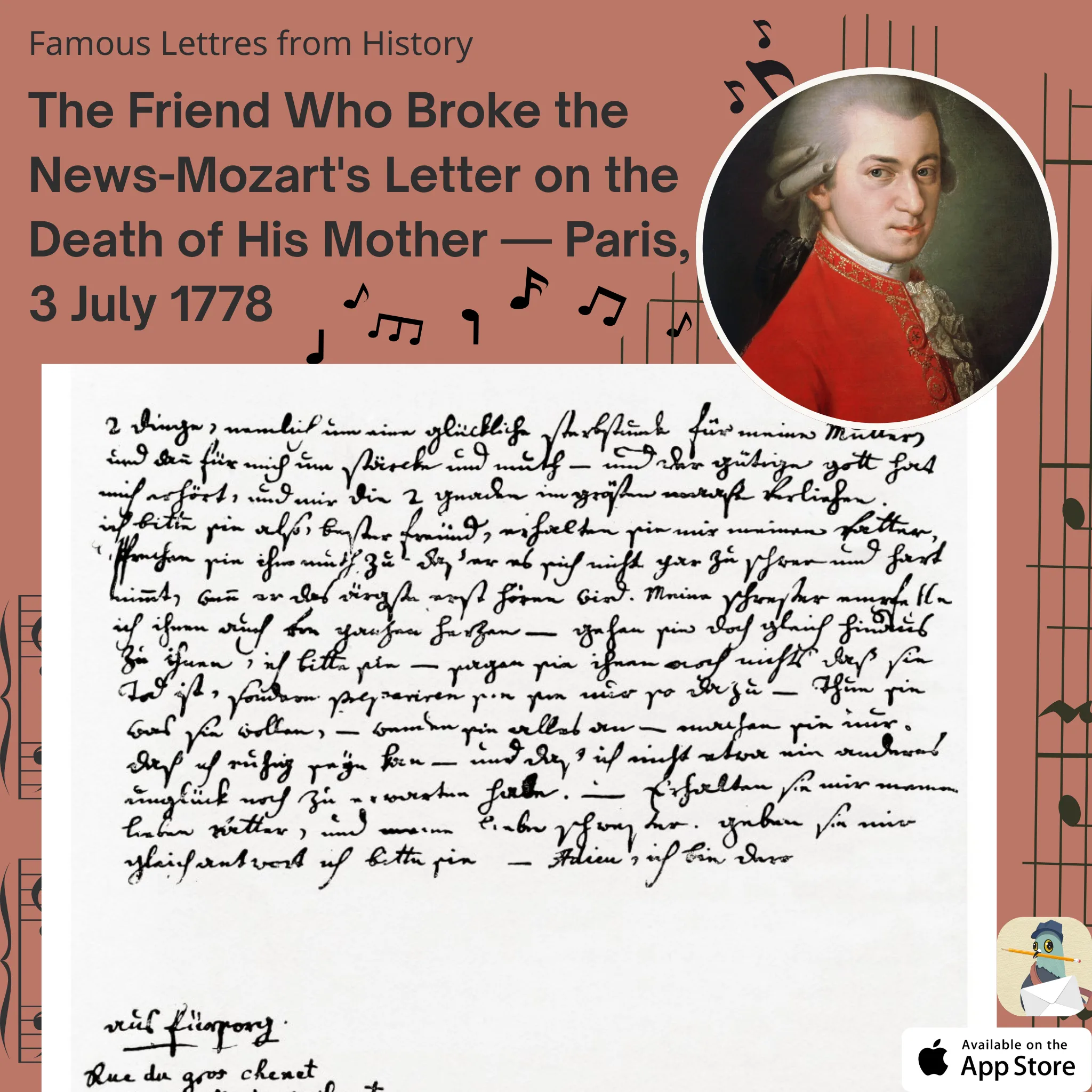
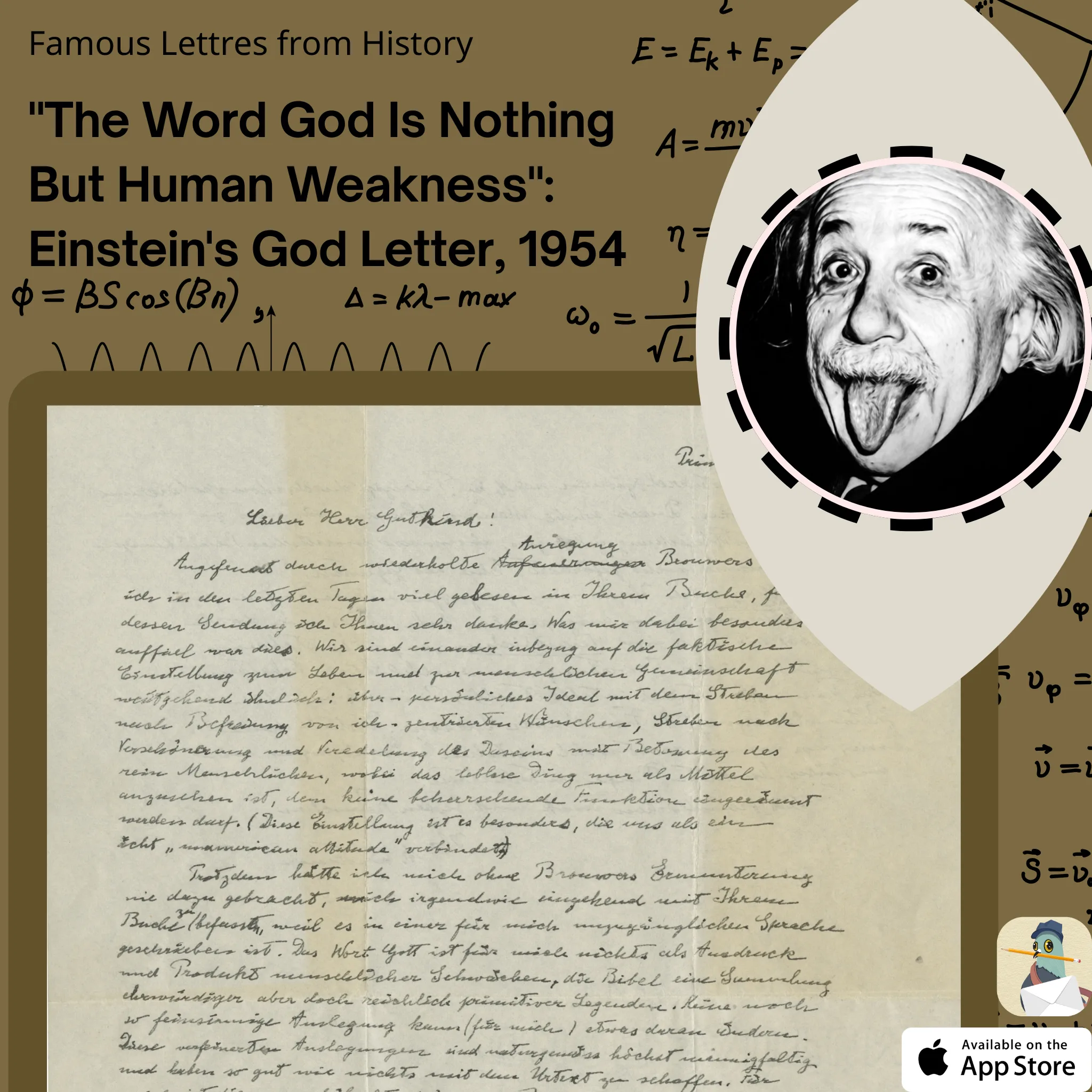
Presenting this week’s famous letter from history featuring Beethoven’s letter to his immortal beloved.
Immortal Longing: Beethoven’s Letter to His “Immortal Beloved”
In the summer of 1812, Ludwig van Beethoven, one of history’s greatest composers, wrote a letter that continues to stir hearts and imaginations. Addressed to an unknown woman he called his "Immortal Beloved," this unsent letter reveals a side of Beethoven rarely seen—a man deeply in love, torn apart by distance, and yearning for connection. It’s not just a relic of the past; it’s a window into the raw, unfiltered emotions of a genius.
The Mystery of the Beloved
Who was the "Immortal Beloved"? This question has puzzled historians ever since the letter was discovered among Beethoven’s papers after his death in 1827. Some suggest it was Antonie Brentano, others point to Josephine Brunsvik, or even Therese Malfatti. But no one knows for sure. The mystery only adds to the letter’s allure. What we do know is that this woman meant everything to Beethoven. The depth of his words makes it clear that she wasn’t just a fleeting romance—she was his muse, his anchor, and his greatest longing.
A Symphony of Emotions
The letter, written over two days, is an emotional rollercoaster. Beethoven begins with an almost desperate tenderness:
“My angel, my all, my very self – Only a few words today... Why this deep sorrow when necessity speaks?”
In these lines, you can feel his pain, his longing, and his inner conflict. He struggles between his overwhelming love and the circumstances keeping them apart. By the end, he reaches a kind of resolution, signing off with words that have since become legendary:
“Ever thine. Ever mine. Ever ours.”
It’s a declaration of love that feels eternal, like it was meant to transcend not just their separation but time itself.
Why This Letter Matters?
This letter isn’t just a love note—it’s a glimpse into Beethoven’s soul. At the time, he was dealing with crushing challenges: worsening health, financial instability, and the fear of losing his hearing entirely. Yet, in the midst of it all, he found solace in this profound love. That’s what makes this letter so powerful. It reminds us that even someone as brilliant and iconic as Beethoven was, at his core, just like us—a person who loved deeply and suffered for it.
The identity of the “Immortal Beloved” may remain a mystery, but the emotions in the letter are universal. They speak to anyone who has ever loved someone they couldn’t be with, felt the sting of separation, or clung to the hope that love could conquer all.
A Legacy of Love
Beethoven’s “Immortal Beloved” letter has inspired countless stories, from novels to films. Its final words—“Ever thine. Ever mine. Ever ours.”—have become a symbol of eternal love, quoted in wedding vows and engraved on jewelry.
The letter itself is more than a historical artifact; it’s a testament to the power of love. It shows us that even in loneliness and longing, love has the ability to uplift, inspire, and endure. Beethoven may not have sent this letter, but in its survival, it continues to touch hearts and remind us of the unshakable force of love.
Here is the full text:
July 6–7, 1812
Location: Teplitz
July 6, in the morning
My angel, my all, my very self—
Only a few words today, and that in pencil (with yours). Not until tomorrow will my lodging be definitively determined; what a worthless waste of time on such things—why this deep sorrow when necessity speaks—can our love endure otherwise than through sacrifices, than by not demanding everything from one another; can you change the fact that you are not entirely mine, I am not entirely yours? Oh God, look at nature in all its beauty and calm, and consider that we must live by what is ordered, not only for ourselves but for others.
July 6, evening
You suffer—you, my dearest creature. I notice the thought of our separation makes me even more miserable than you. Just be calm, because calmness is the only thing we can achieve by our will. Whether we shall see each other soon or not, I can only resign myself to fate. Love demands everything and rightly so.
July 7, morning
Good morning, on July 7th!
Still in bed, thoughts crowding on me about you, my Immortal Beloved. Now and then joyful, then sad again, awaiting fate. That I must live either wholly with you or not at all. Yes, I have resolved to wander far from you until I can fly into your arms and say that I am fully at home with you, send my soul wrapped up in the love you inspire.
Ever thine.
Ever mine.
Ever ours.